




7 Common Mistakes When Building a Pool in Florida: A Residential Guide

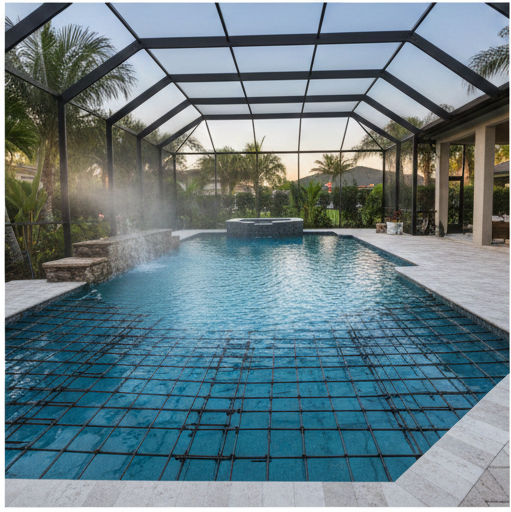
Planning a backyard oasis? Avoid these 7 costly mistakes when building a residential pool in Florida. From lien laws to high water tables, here is your essential guide to a perfect build.
For many homeowners in the Sunshine State, a swimming pool isn’t just a luxury—it’s a lifestyle necessity. Whether you are in a new development in Orlando, a coastal property in Sarasota, or a suburban lot in Jacksonville, the allure of a backyard oasis is undeniable.
However, building a pool in Florida is a unique construction challenge distinct from any other region in the U.S. Between the high water table, strict hurricane codes, and intense UV exposure, the margin for error is slim. A misstep during the planning phase can lead to years of maintenance headaches, legal battles, or a “money pit” that hurts your home’s resale value.
Below, we explore the 7 most common mistakes homeowners make when building a residential pool in Florida and, more importantly, how to avoid them.
1. Ignoring the “Florida Factor” (Soil & Water Table)
The most critical mistake happens before the first shovel hits the dirt. Florida’s geology is notoriously complex, often featuring sandy soil, limestone, and an incredibly high water table.
The Problem: The “Pop” and The Settle
In many parts of Florida, you only have to dig down three or four feet before hitting water. If your pool builder does not account for this “dewatering” process properly during construction, the shell can be compromised.
- Fiberglass Risk: If a fiberglass pool shell is installed in an area with a high water table without a proper hydrostatic relief valve, the pressure from groundwater can actually lift the pool out of the ground (a phenomenon known as “popping”) if the pool is ever drained.
- Settling: Improper compaction of Florida’s sandy soil can lead to the pool deck cracking or sinking within the first few years.
The Fix
- Geotechnical Testing: Ask your builder if a soil test is necessary, especially if you live near the coast or wetlands.
- Dewatering Plan: Ensure your contract explicitly states how groundwater will be managed during excavation. This is often a hidden cost “change order” if not discussed upfront.
- Hydrostatic Valves: Verify that your pool includes a hydrostatic relief valve, which allows groundwater to flow into the pool (relieving pressure) rather than lifting the pool structure.
2. The “Low Bidder” Trap: Failing to Navigate Florida’s Lien Laws
Florida has some of the strictest and most confusing construction lien laws in the country. This is the financial mistake that can cost you double.
The Problem: Paying Twice
In Florida, if your pool contractor fails to pay their subcontractors (the excavators, the gunite crew, the paver company) or their material suppliers, those unpaid parties can place a lien on your home. This is true even if you have paid your general contractor in full. You could be forced to pay for the materials twice to remove the lien and sell your home.
The Fix
- Notice of Commencement: Ensure this is filed before work begins.
- Release of Liens: This is non-negotiable. Never make a progress payment to your pool builder until you receive a “Partial Release of Lien” from the subcontractors and suppliers for the work associated with that payment.
- Final Payment Affidavit: Before writing the final check, require a “Final Contractor’s Affidavit” stating all subs have been paid.
3. Choosing Materials That Can’t Handle the Sun & Salt
Florida’s UV index is punishing, and the air often carries salt spray, even miles inland. Materials that work in New York or the Midwest often fail here.
The Problem: The Scorched Feet & Faded Liner
- Dark Pavers: A trendy dark grey or black paver deck might look modern in a magazine, but in the Florida summer, it becomes scorching hot—unwalkable for children and pets.
- Vinyl Liners: While cheaper upfront, vinyl liners degrade faster in Florida’s year-round sun and heat compared to other states, often requiring replacement every 5-7 years.
- Soft Stone: Some natural stones (like cheap limestone) can dissolve or pit over time when exposed to salt-chlorine generators, which are very common in Florida.
The Fix
- Travertine or Shellock: Opt for light-colored Travertine or “Shellock” pavers. They stay significantly cooler to the touch than concrete or brick.
- Aggregate Finishes: For the pool interior, choose a quartz or pebble aggregate finish (like PebbleTec) over standard Marcite plaster. They are far more resistant to chemical imbalances and UV fading.
4. Overlooking the “Cage” Question (Screen Enclosures)
To screen or not to screen? This is the great Florida debate. Skipping the decision analysis here is a major regret for many homeowners.
The Problem: Bugs and Heat
- The Bugs: Florida has mosquitoes, but the real enemy is the “No-See-Um” (biting midge). Without a screen with a fine mesh (specifically 20×20 mesh), enjoying your pool at dusk can be impossible.
- The Debris: Without a cage, you will be fighting a losing battle against oak leaves, palm fronds, and grass clippings, increasing your maintenance time and chemical costs.
- The Downside: Cages can block up to 20-30% of the sunlight, which can leave your pool chilly in the winter months (November–March) if you don’t have a heater.
The Fix
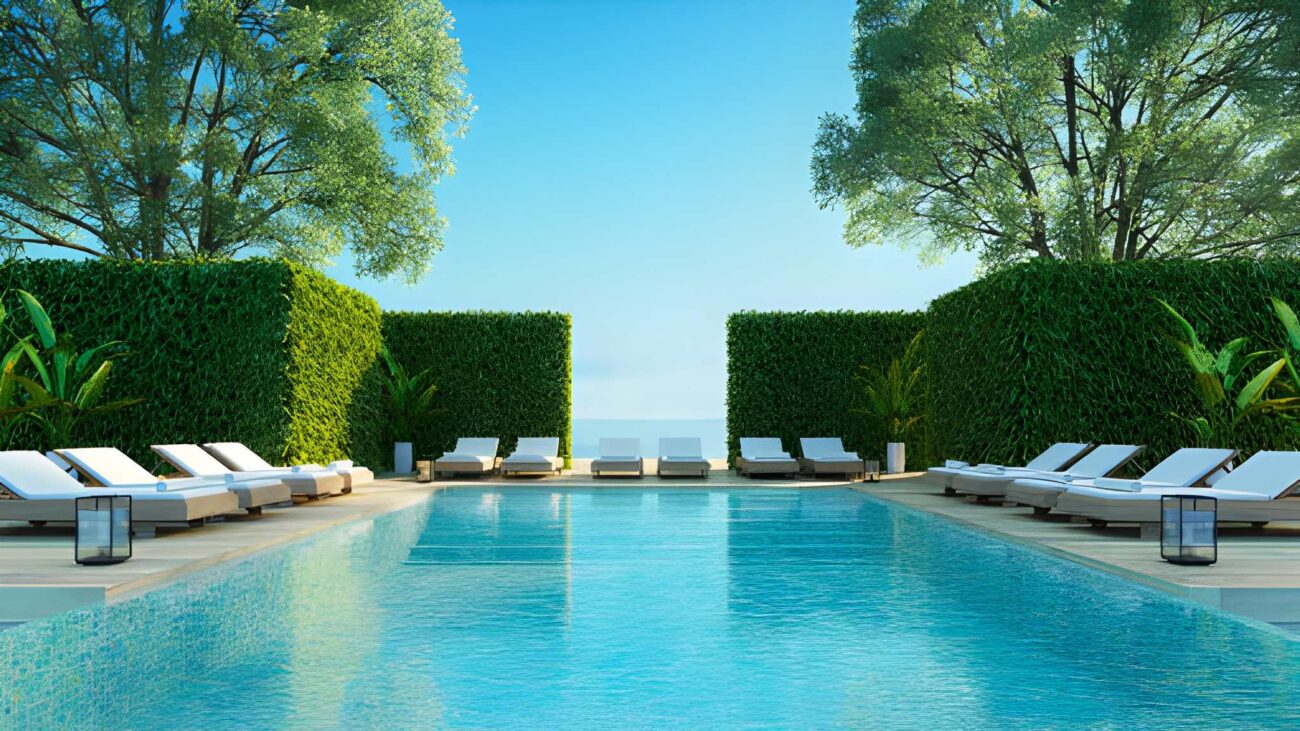
- The “Picture Window”: If you hate the “caged in” look, ask for a “picture window” or “clear view” screen wall. This removes the vertical aluminum bars on the side facing your view (lake, preserve, etc.) for an unobstructed sightline.
- Phased Build: If you are unsure, pour the footers for a cage during the pool build (concrete footing with rebar). It costs very little to do now, but adding footers later involves ripping up your deck.
5. Underestimating the “Total Cost of Ownership”
Many buyers focus solely on the sticker price of the build (e.g., $65,000) and ignore the monthly reality of Florida pool ownership.
The Problem: The $300/Month Surprise
- Electricity: An old-school single-speed pump can add $50-$80 to your monthly FPL or Duke Energy bill.
- Heating: Trying to heat a Florida pool in January with an electric heat pump can cost $150+ a month. Propane is even more expensive.
- Insurance: Your homeowners’ insurance premium will go up. Some carriers may drop you entirely if you install a diving board or a slide.
The Fix
- Variable Speed Pumps: Mandate a Variable Speed Pump (VSP). They are required by law for most new filtration pumps now, but ensure your builder isn’t offloading old stock. A VSP can save $30-$50/month in energy.
- Solar Heating: Florida is the perfect use case for solar pool heating panels on your roof. They are virtually free to run (powered by your existing pump) and extend your swim season by 3 months.
6. Misunderstanding Setbacks and Easements
Florida subdivisions are packed with utility easements and strict setback rules.
The Problem: The Unbuildable Zone
You design your dream pool, only to find out during the permitting phase that a 10-foot drainage easement runs through your backyard. Or, you build the pool deck right up to the property line, violating the impervious surface ratio (ISR) codes, leading to fines or forced demolition.
The Fix
- Survey First: Do not rely on an old survey. Get a current boundary survey that clearly marks all easements (UE/DE) and setbacks.
- Impervious Surface Ratio: Ask your builder about the “ISR” calculation. Florida municipalities limit how much of your lot can be covered by concrete/pavers to prevent flooding. You may need to use permeable pavers or install French drains to comply.
7. Designing for Today, Not Tomorrow (Resale & Lifestyle)
Finally, homeowners often over-customize their pools to their current specific needs, hurting future flexibility.
The Problem: The “Deep End” Dilemma
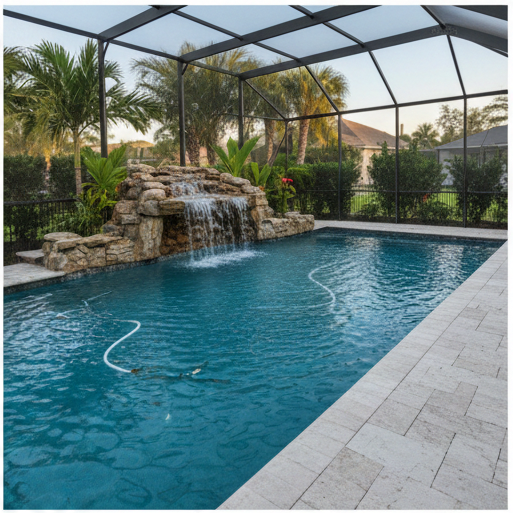
Building an 8-foot deep end reduces the “playable” area of the pool. In Florida, where pools are social hubs for volleyball and cocktails, a large deep end is often wasted space. Furthermore, elaborate rock waterfalls or grottos can look dated in 10 years and are a nightmare to clean.
The Fix
- The Sports Pool: Consider a “sports pool” depth profile (shallow-deep-shallow or 4ft-5ft-4ft). It allows for standing and games across the entire length.
- Sun Shelves: A “Baja Shelf” or sun shelf is the #1 requested feature for resale. It’s perfect for toddlers, dogs, and adults in lounge chairs.
- Aging in Place: Ensure you have handrails and easy-access steps. Many Florida buyers are retirees; a pool that is hard to enter/exit is a dealbreaker.
Bonus: Hurricane Preparedness
You cannot build in Florida without thinking about hurricanes.
- Overflow Drains: Ensure your pool has a dedicated overflow drain line plumbed out to the yard. When a tropical storm dumps 10 inches of rain, you want the pool to self-level rather than flooding your patio and home.
- Equipment Tie-Downs: Ensure your pump and filter equipment are bolted to the concrete pad, not just sitting on it.
Conclusion
Building a pool in Florida is a significant investment that adds immense joy and value to your home. By navigating the unique challenges of the Florida landscape—from the water table to the lien laws—you can ensure your project is a success.
Key Takeaway: Don’t just hire a pool builder; hire a partner who understands Florida’s specific geology and legal environment. Vet them on their lien release process, their knowledge of local setbacks, and their plan for dewatering. Your future self (and your wallet) will thank you.
Frequently Asked Questions
Q: How much does a pool increase home value in Florida?
A: Generally, a well-maintained pool can add 5-8% to your home’s value in Florida. However, in higher-end neighborhoods or vacation rental markets, not having a pool can be a significant deterrent to buyers.
Q: What is the best time of yearto build a pool in Florida?
A: Fall and Winter. The water table is typically lower (dry season), and you avoid the daily afternoon thunderstorms of summer that stop construction crews.
Q: Concrete (Gunite) vs. Fiberglass: Which is better for Florida?
A: Concrete is the market leader in Florida due to the ability to customize shapes and its durability. However, fiberglass is gaining popularity for its speed of installation and lower chemical usage, provided the soil conditions are suitable.